
In the big wide web out there, searches for "alternative wedding timelines" and "later wedding ceremony schedules" are on the rise. Today's couples aren’t as interested in producing a tightly choreographed event. They want to host something that feels effortless, social, and genuinely enjoyable to experience. Something that fits their vibe and lifestyle.
Enter the non-traditional wedding timeline idea: a "flow-first" approach to the day that prioritizes energy, atmosphere, and connection over outdated expectations. Instead of rushing from moment to moment, this style of timeline allows the celebration to unfold naturally.
And for the timeline-curious and neurodivergent couples who require it, we're sharing how it generally works and how you could adapt it to make it your own.
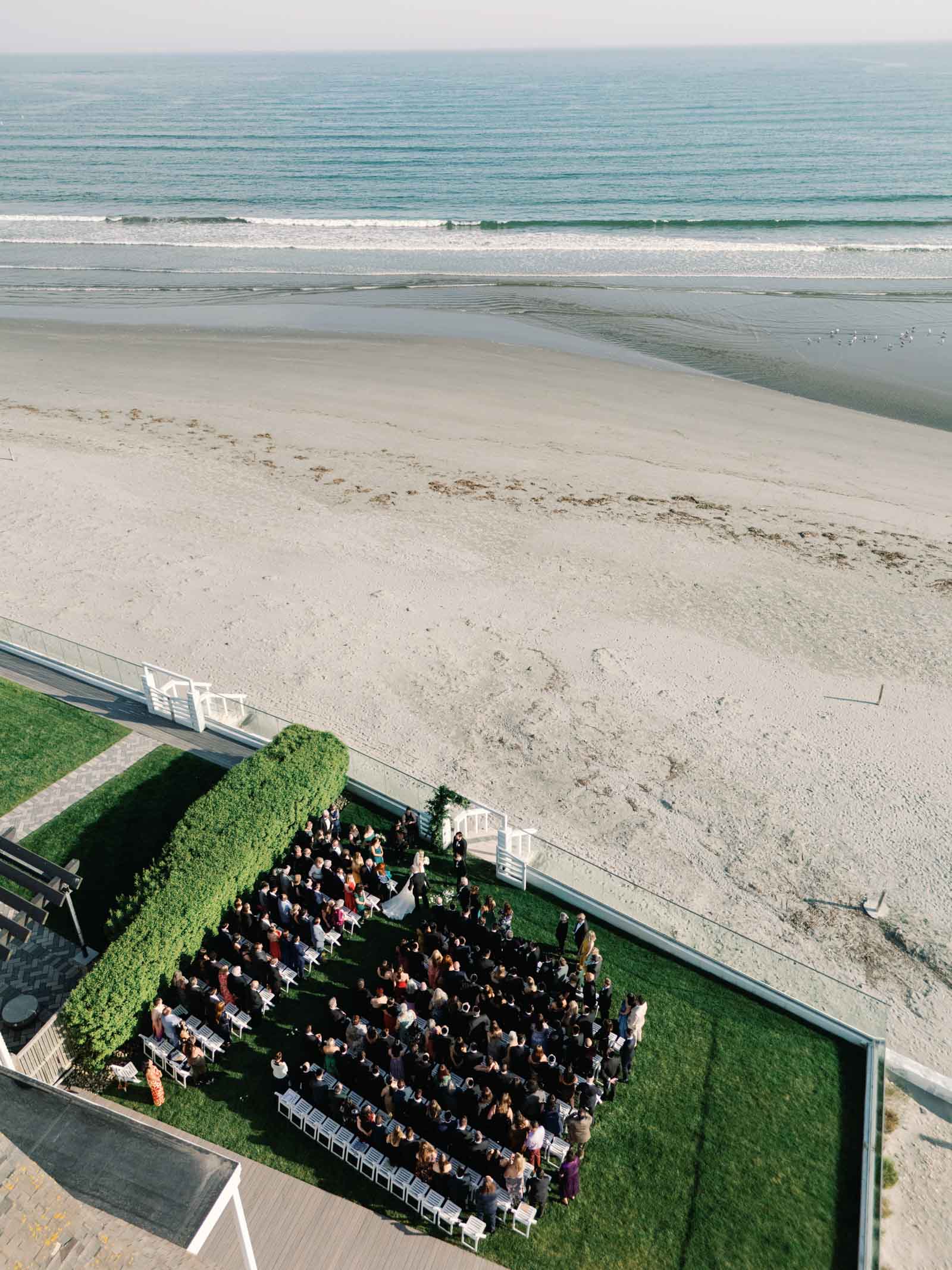
The 2026 Philosophy: Hosting, Not Producing
The biggest shift in modern weddings is more personal. Couples are moving away from the idea that their wedding is a production to be managed and toward the idea that it’s an experience to be hosted. That means fewer rigid timelines, fewer staged moments, and far less pressure to perform. Many of us just don't have the brain space to handle anything else, especially if you're neurodiverse!A flow-first wedding is built around energy instead of logistics. Rather than structuring the day as a series of stops and starts, it focuses on creating a seamless rhythm where guests naturally move from mingling to ceremony to celebration without that familiar "hurry up and wait!" feeling. It then becomes a wedding that feels intuitive and genuinely fun to be part of.
The "Soft Start"
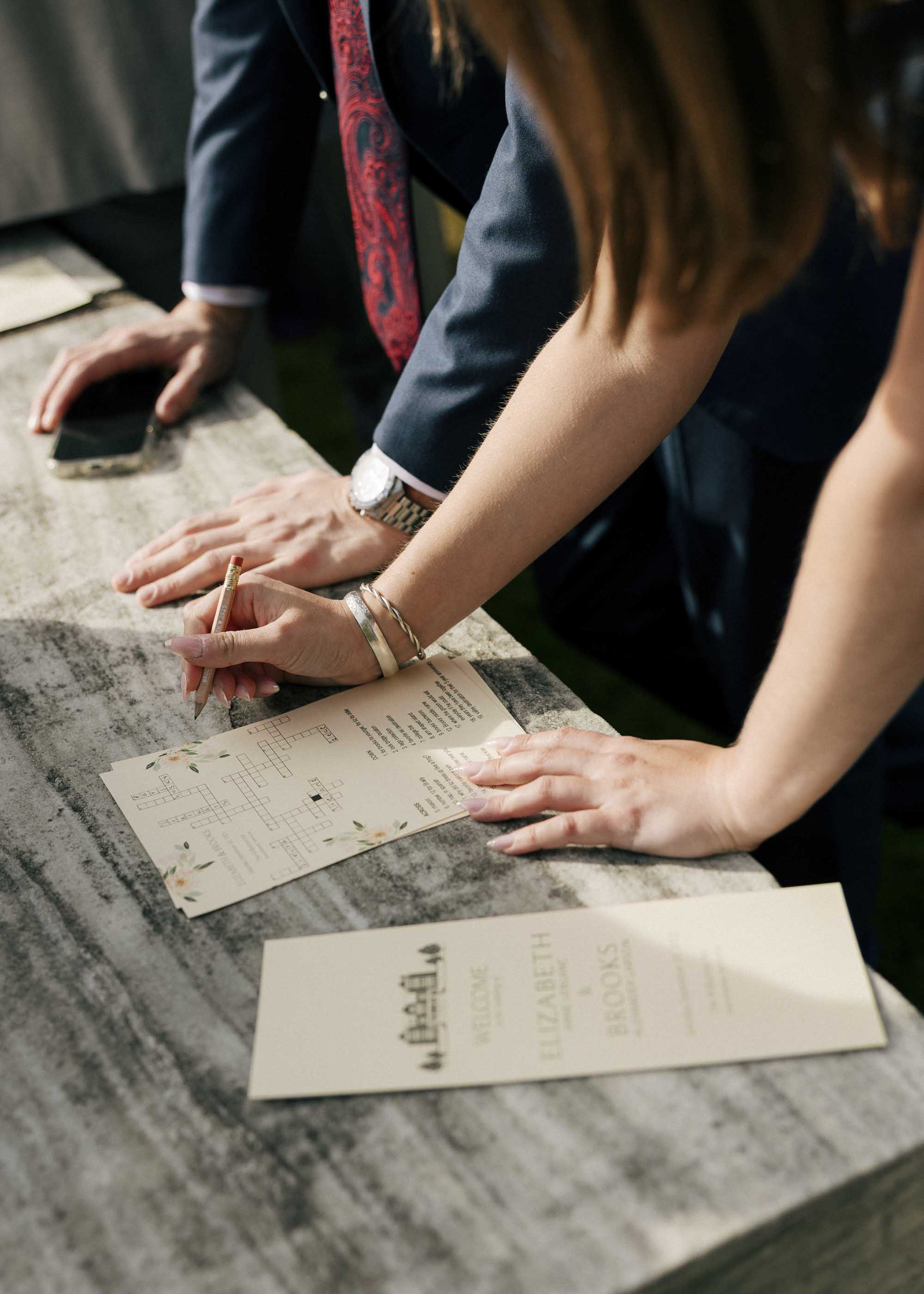
One of the simplest ways to embrace a non-traditional wedding flow is by rethinking how your day begins. Instead of asking guests to arrive at a specific time, find their seats, and wait quietly for the ceremony to start, a “Soft Start” invites them into the experience upon arrival.Picture this: a welcome spritz in hand, chilled botanical teas being passed, personalized wedding-themed puzzles to entertain, music already playing, and small pockets of conversation forming naturally. There's no pressure to sit still or stay formal.
This approach does two important things:
✦ It eliminates pre-ceremony awkwardness.
✦ It creates an immediate sense of warmth and welcome.
Logistics Note: Because the mingling has already begun, you can keep the ceremony intentionally short and meaningful (around 15-20 minutes), which helps maintain the overall flow.

The Sunset Ceremony
Shifting to a later wedding ceremony schedule isn’t just a stylistic choice; it can be a strategic one, too. A sunset-timed ceremony aligns beautifully with golden hour, giving you naturally soft, flattering light without needing to carve out an extra long post-ceremony photo session. Your photographer will love it!When guests have already had time to settle in, have a drink, and connect with one another, they arrive at the ceremony more relaxed and more present surrounded by that lovely glowy light. The energy shifts from just watching an event to being part of it.
The "Split" Reception & The Private Reset
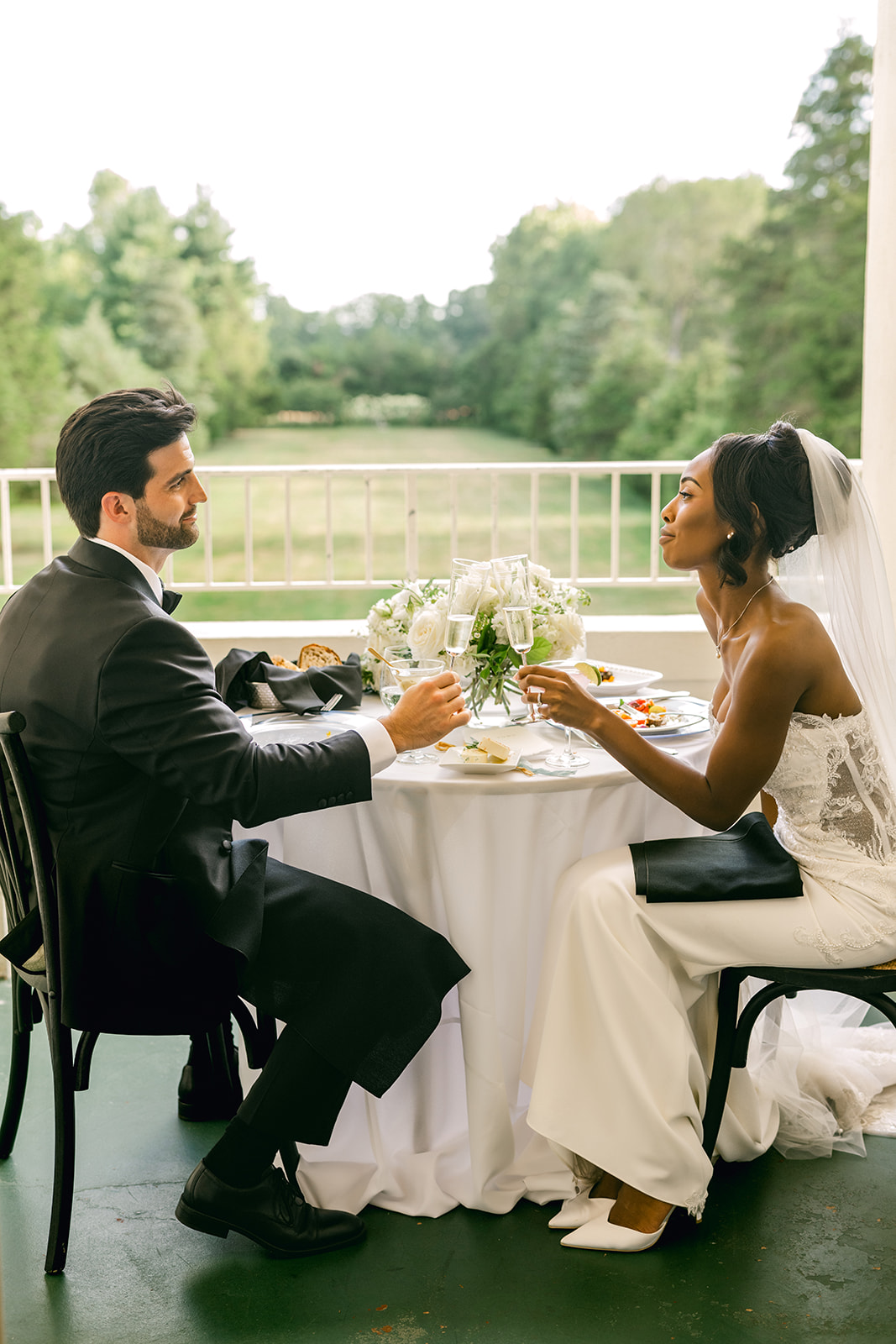
One of the most overlooked parts of a traditional timeline is how draining it can be, especially for the couple who has been up since early morning getting ready. By the time dinner ends, many introverted and neurodiverse couples feel socially depleted just as the party is supposed to ramp up. A flow-first timeline solves this with a built-in transition.FOR YOUR GUESTS
After dinner, invite a change of scenery before the official party. This could mean moving from a typical dining setup into a lounge-style space, inviting guests to walk around the property (if relevant), revving up some lively music, or introducing a surprise element like an espresso martini bar. For British weddings, evening food can be one of these intentional breaks as well. The shift re-energizes the room and signals that the evening is shifting into other things.
FOR YOU
At the same time, you and your partner step away for a short private reset. It’s about giving yourselves 20-30 minutes to breathe, change into a second outfit if you wish, share a drink together, or simply sit in stillness and let the day sink in. This small pause makes a huge difference in how present and energized you feel for the rest of the night. Especially if you're usually "I'm in bed by 9!" person.

Photography: The Documentary Shift
A major driver behind the alternative wedding timeline is the popularity of documentary-style photography. Rather than structuring the day around an extensive shot list, many 2026 couples are embracing the documentary wedding photography benefits: candid storytelling, natural moments, blurred movement styles, and minimal interruption. This shift allows your photographer to capture the wedding as it feels, not just how it looks.And practically speaking? It gives you back time. By reducing posed group photos and rigid scheduling, couples often reclaim up to 90 minutes of time that can be spent with their loved ones instead of standing in a lineup. The result is a gallery that feels more personal and far more reflective of the day as it truly unfolded. We still love a quick traditional portrait though for the timeless memories! So if you want best of both worlds, just keep the poses and people to a minimum.

A Sample Flow-First Wedding Timeline
If you’re considering a non-traditional wedding flow, here's just one simple, screen-grab-worthy example to visualize how the day could unfold so you can get an idea on what's possible for your day:| 10:00am | Slow morning start |
| 3:30pm | Couple's private first look or champagne moment |
| 4:15pm | Soft start for guests (arriving to music and cocktails) |
| 5:00pm | Sunset ceremony |
| 5:30pm | Seamless transition to hors d’oeuvres, mingling, and entertainment stations (like lawn games) |
| 7:00pm | Dinner with toasts and dessert |
| 8:30pm | The “Split” (guests move to lounge; couple takes a private reset) |
| 9:00pm | The party begins (no interruptions) |
Unless you're having an at-home wedding with a very casual vibe, a general timeline is still important to have, especially with venues that have specific hours and wedding professionals serving. Photographers also particularly need to how you're structuring your day so they can be ready to capture your candid moments.
But remember: there’s no single "correct" way to construct a wedding day anymore. And that's exactly the point!
A flow-first approach invites you to design a timeline that reflects how you actually want to share your celebration with your loved ones. Whether that means a later ceremony, fewer formalities, or a completely reimagined reception, the goal is the same. A wedding day that feels as good as it looks.
Editor's Note: Specially curated by us, the above product links may be partner-connected and purchasing through these links means we get a small commission from those brands that helps support this website. You can find our full affiliate disclosure policy here on Tidewater and Tulle.